One of my core values about life is that nothing is ever fully isolated. Given enough time, it is always influenced- shaped and described by all parts of the universe. Whether it be the vacuum that separates matter from its interaction with… whatever is out there. And especially not one’s relationship with a piece of media- and what people say about them, how the author intended its conception, and whether you come to your own conclusions about them. Of course, there is value in reducing the raw interaction you may have from these external factors, but what exactly counts as external? Perhaps you’d suggest that it’s one’s instinctual reaction to the aesthetic of rhythms and waves, or the rhetorical idea of “pure”? I’m not necessarily informed enough to argue against these critical frameworks of creation, consumption, and interpretation- however, these past few years since my graduation from secondary school has suggested a couple things:
- What I reduce to be external and pure is indicative of my personal values and the rhetorical metaphors associated with them.
- They change.
- There’s nothing wrong with that.
- But I have to admit, everything I love is connected. Perhaps not by genre, nor artistic medium, but by the thread of an invisible force shrouded by something only observed by the collective perception of situated knowledges.
This concept is evident in the sorts of media I place on high regard- not themselves evident, but my personal relation to them. It is not simply a matter of genre, style, or the sorts of categories we can easily identity with popular frameworks. When it comes to something of high regard, it tends to shred beyond something that is itself form- but bleeds into the nature of things. Think of it like a person. A piece of media for me is like a person; a metaphor describing the complex strings of influence that isn’t simply perceived or understood in full- nor does it have to be. But it is mine- my experience and relationship with the piece of media.
This is why I love music, and why it’s somewhat strange to make a “favourites” list. These things change in rapid succession, whether you acknowledge it or not. They can be shrouded in a popular metaphor of “objective good”, or some sort of common evaluation method. Which leads to paradoxes such as guilty pleasures or “I really enjoyed it, but it’s not a masterpiece…” But perhaps the value of these categorization is a freeze-frame in time? Why, isn’t that fun? Of course it is!
However, we need address the evaluation method to avoid the typical occurrence paradoxes. It’s perhaps impossible to do so: evaluations are bias in themselves. Whether it be due to someone’s desire to make their list cool and desirable– you’re sharing this after all. Maybe you want to abide by a structure- leaving out other aspects that you enjoyed? You’re never going to get to, in an objectivist point of view- the one true favourites list to rule them all! But I’d like to note that… it’s okay to have these biases. They indicate your current values and how you evaluate the media you consume- how you consume them and why.
For me, I consume them because I want to share them. These pieces of media are full of substance- people and ideologies, a form of communication. When someone tells you an interesting story, wouldn’t you want to share it around- celebrate the existence of connection? And perhaps this is my metaphor that I abide by- but again, it’s okay! Now you know how I evaluated these things and what my top 10 will entail. But don’t mistake them for “not a true favourites list” or the sort of approach that lends no ear to the language I speak. This is very much a valid approach, as is statistical analysis, structured evaluation, or whatever you may follow. This is who I am, and it will change- favourites in nature are dynamic and not always certain as an intentional closed-system. So, what about you? What are your favourites? Perhaps they can be mine too?
NOTE: I will briefly touch on the explanations for each song’s placement (not like the placements manner though). But there is so much more to discuss- as is evident of my No Game No Life Zero OST series. There is just not enough room to adequately talk about each song. For now, these are my quick thoughts!
10. Bear McCreary – “God of War Ragnarök”
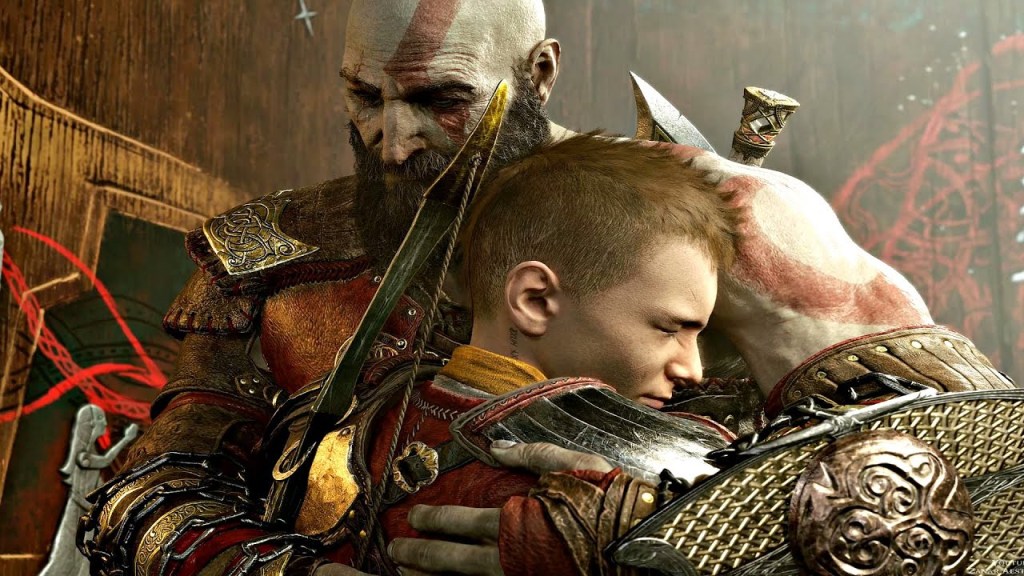
“I’m your monster no more.”
– Kratos from God of War (2018)
I encountered this game very recently. And oh my god, it left a great impression on me. But today we’re discussing the soundtrack in question- the main theme “God of War Ragnarök”.
This soundtrack pulls on a variety of emotions- given the noticeable audience that the game attracted in its conception. There were a lot of somewhat juvenile pleasures of destruction, lust, and revenge in the first 3 games. Gameplay was the motive, along with the “badass” God of War Kratos going around bashing skulls- whether they were innocent or not. The game didn’t question morality and ethics- it was a game! Right? Anyways, here’s a great video discussing this very topic: How God of War Matured With its Audience
And the song opens with a similar tone- “badass”. Like a monster (Kratos) being let out of its cell. It’s reminiscent of the approach the prior games intended. But the 2018 and Ragnarök games are about change- questioning the morals and ethics of everything that is, has, and will be. As the song progresses, we encounter a similar melody- but playing in a different tone and instrument. It interacts with the chanting, overcoming it at one point. Letting Kratos know that he isn’t isolated from the consequences of his actions- leading him to listen in silence. But this melody isn’t necessarily shutting him up, but leading the ensemble- influencing Kratos and asking him questions. More instruments come into the song in a sudden “boom”, revealing the scale of the song. As the song continues, the initial chanting returns- but in a greater variety of tone, even chanting new melodies. But it doesn’t return alone. We can hear “Faye’s song” come into the melody near the middle of the track to add new perspectives and approaches.
Of course, there’s so much more to the song that I can talk about- so much more other people can say that are much more knowledgeable than myself. Many different interpretations you can gather- but the essence of the song is ensemble. A collaboration of instruments and melodies into one that is loud enough to break through the uncertainties of Kratos’ past, present, and future. I love this song for this metaphor. It tells a wonderful story that I believe we can all relate to; change. You can be more than who you were, you can be better- for the sake of those we care about. And when you change, it will be a magnificent song!
9. A Place Further Than The Universe ED – “Koko Kara, Koko Kara”
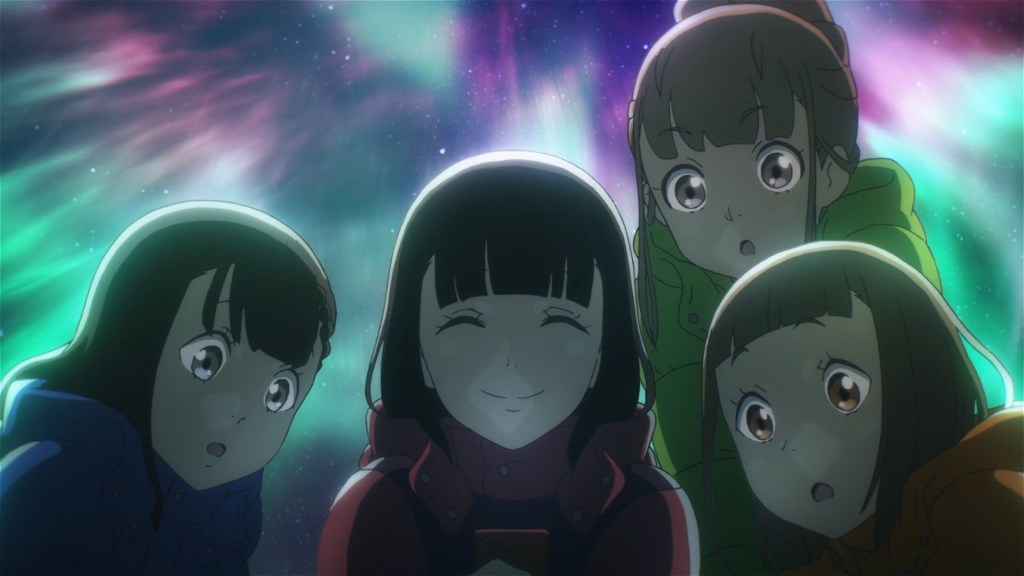
“A plane could crash, a bullet rain could explode, and a meteor could strike at any time.”
– Mari Tamaki from A Place Further Than The Universe
There are plenty of days where you have lots of fun, fall into a horrible crisis, or just feel absolutely normal. Some students from my University began plotting colour codes indicating their evaluation of their days on a spread sheet, then observing this flurry of colours that embody their entire year. And sometimes, you don’t have anyone to share these things with. That’s probably one of the reasons why people share these little activities on Reddit.
The characters of A Place Further Than The Universe embody this idea of loneliness. At least during the beginning of the show, each of them were isolated in their various worlds. Even Mari- she continuously hid in her small pond, too scared to venture outwards in the vast ocean. But as each of them sought out adventure- and especially grabbed the opportunity when it came… which is important, because Mari herself had many opportunities that she bailed out off at the last second. When they each finally set off in a bursting tidal wave, they encountered each other. A variety of people with different immediate motives, personalities, and outward (and inward) expressions. What they all had in common is each other.
At the end of each episode the ending song played: Koko Kara Koko Kara (“from here from here”). You may read the lyrics, they’re symbolic- and I hope to write about them further sometime. But the core of the song is where its placed- the ending of each episode. It reminds us that after all the troubles of everyday, there is a common connection we all have. We have each other- so let’s sing together and start from here, start from there, everywhere. A new journey at each moment and decision.
After every episode, I’m left with the reminder that each moment counts. The piano skips between each note, like a ticking of the time that’s left. But not in the morbid existential expression of time, but an optimistic and cheerful tone. And together with the variety of instruments that join in a wonderful melody- we can perceive the passing of time in however we want it.
I’ll leave it at that as I’ll have to start analyzing the show itself to provide the larger scope that this song embodiments. And also, I’ll start getting emotional and never finish this LOL
8. A Place Further Than The Universe – “The Girls Are Alright! ~Piano Version~”
“Water collects into stagnant pools. I’ve always loved watching it all spill out at once. Bursting forth, liberated, rushing away. The pool’s potential energy is unleashed. Everything springs into action.”
– Mari Tamaki from A Place Further Than The Universe
Oh look here! Another song from A Place Further Than The Universe. This is a trend you’ll see when I make these sorts of lists… repeating artists, shows, etc! But they aren’t there without reason.
Interestingly, this is the only song on the list with only one instrument- but that’s important. This theme of a lone piano is thematic to the individual we all embody. No matter how much we try, we’re naturally alone as beings. Despite all the influence the world all around us has, there’s a fundamental shell that makes us all different. However, the important aspect to this concept is that we have a place in this world. We have a place to play our instruments. No matter how sad this loneliness might feel. This bittersweet sensation that there’s only one of us.
But this song isn’t an isolated melody. The anime itself represents this song in an incredibly emotional fashion- and I goddamn get the feels every time it plays. The two notable moments I can remember is when Shirase introduces her journey and life mission to Mari, and when Hinata finally genuinely expresses her sorrow to Shirase. This list isn’t a character/anime analysis, but it’s important to understand how much external influence this lonely piano, this single song- what influence it has to external factors, and what external factors influence the song itself.
I don’t know how to express how I feel about this song. But the melody it plays… “we’re alright”, in a lone piano expression that contrasts the original song’s uplifting nature. I really wonder how much emphasis is put into this statement, “we’re alright”. I really wonder how Mari feels when she finally discovers the variety of people that exists in the world. I really wonder how Hinata felt after genuinely expressing herself to a friend. I really wonder how it felt to make this song. I really wonder how everyone feels when they listen to this song, how they feel when they feel anything. I can sympathize and try to relate, but again- I can’t truly know and experience what everyone else does. But something to consider is not that it’s impossible, but just as this song picks up louder screaming “we’re alright!”- we can try. We can try to be more than just ourselves. And maybe after it all, we can see this individual life in a different perspective?
This is the core of the anime A Place Further Than The Universe. I mean, it’s in the name. We travel to Antarctica, or the metaphorical environment of reflection. We go on an adventure with individuals- all having their own joys, struggles, and whatever it is that we can’t adequately express. We try our best to go further than ourselves, further than our Universe.
7. Halo 3 – “Never Forget”
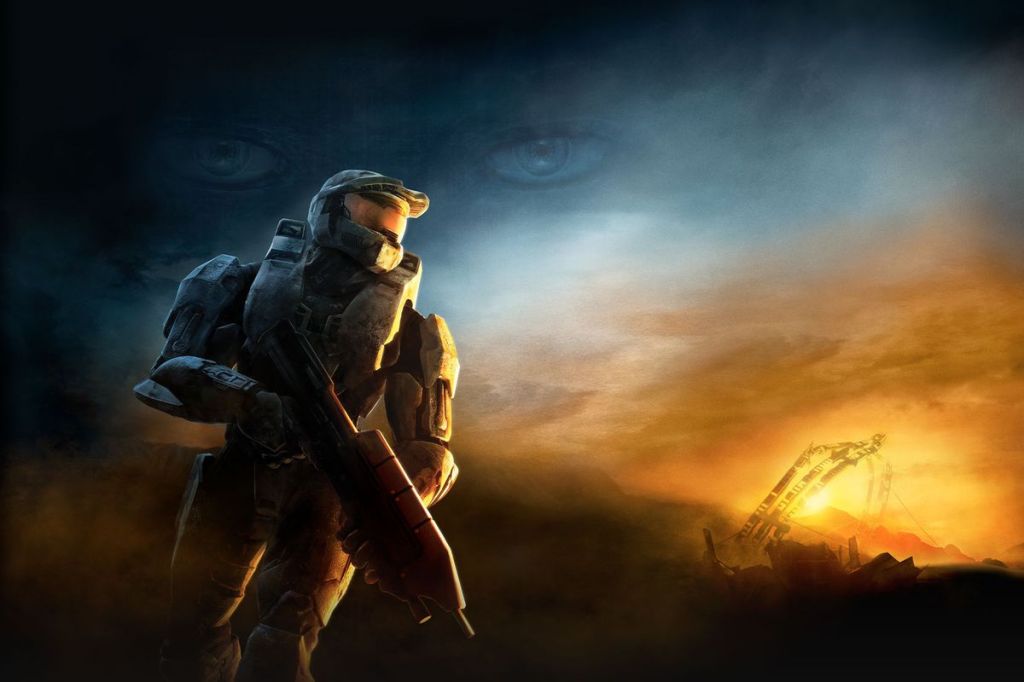
“For us, the storm has passed… the war is over. But let us never forget those who journeyed into the howling dark and did not return. For their decision required courage beyond measure; sacrifice, and unshakable conviction that their fight… our fight, was elsewhere. As we start to rebuild, this hillside will remain barren, a memorial to heroes fallen. They ennobled all of us, and they shall not be forgotten.”
– Admiral Hood from Halo 3
This is the first game I’ve ever played on the first console I’ve ever received. My brother and I would spend hundreds of hours playing the same missions all over again, gushing about the vast world and imagination that exists beyond us. We were introduced to the vast realities of the universe through this video game. And I’ll never forget it.
From each instrument that flows by; the violin, the piano, the voices. It’s almost like they’re fading in and out, like memories. Each moment, I can recall the what has come before- what happens now. The future isn’t disconnected, but formed by everything that has occurred. It’s constructed by these very moments that we breath, every emotion that fades and lingers. As clear and sharp as a piano, as lingering as the blow of a violin. So never forget.
6. A Place Further Than The Universe – “Otona kara no Yell”
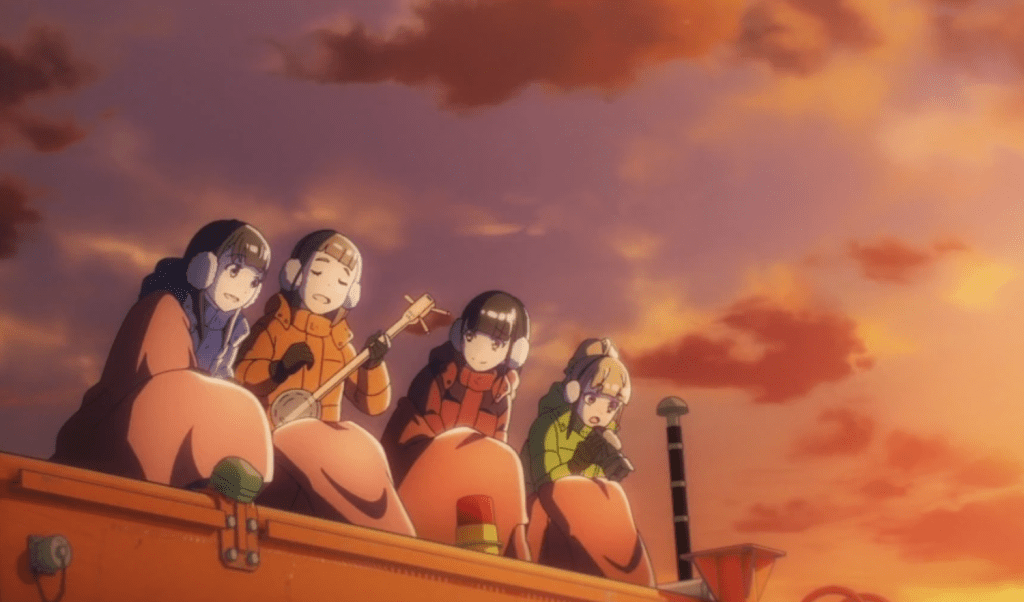
“Dear Mom, I’ve made friends. I, who thought I’d be fine by myself forever, now have friends. They’re all a little weird, a little frustrating, a little broken… But I have friends who were willing to come to Antarctica with me. We fought, we cried, we had problems… But they were willing to travel this far with me, to this place where you came. I was able to make it this far because of them.”
– Kobuchizawa Shirase from A Place Further Than The Universe
This song is titled “Yell from an adult”. It isn’t a yell in the conventional idea- the form that we imagine. But conceptually, it is everything that a yell is. We yell to communicate to each other through the thick barriers of distance. In Shirase’s case, it is the distance of life and death. One of the interesting concepts that Shirase embodies on her journey is her rejection of fundamental concepts; time and distance. She’s stuck in a trance of constant waiting (for her mom to come home), can’t perceive the physical and practical distance it takes to get to Antarctica- or, she rejects them. She’s extremely stubborn and bashes through ice as if she’s a boat- actually, the icebreaking boat from the anime is called “Shirase”.
The anime is about breaking free from youth, becoming an adult… yet, finding your youth. It’s actually quite uncertain about the dichotomies that form these categories, but I believe the point is to go through life as a balance of the spectrum. Both adult and youth. Be a responsible role-model of an adult, but also yell like a child. “Yell” in the form of a song- traversing time and distance. Heard and felt from years prior and years to come, flowing through the distances further than where we are. Art is the way to communicate- it is communication.
Why is this explanation so closely associated with Shirase? Well, it played during her moments of monologue- speaking to her mother. It also played when she spoke to the entire expedition team before the girls left Antarctica. And I’m not sure if this is correct, but its Shirase who’s humming along to the melody. Perhaps not humming along, but she is the melody. For the first time in her entire life, she’s certain of what she wants to communicate to her mom. She’s no longer confused or blinded about why she went to Antarctica, why she continued waiting, whether she should confront her mom at all. And she shares this with the people she came along the adventure with.
I think we can all relate- I sure can.
5. No Game No Life Zero – “Let’s Play Again – The Light of A New World”

“If Gods are born from desires… Oh God of Games, garbage as I may be, I’ll give you everything and pray to you for the first time. Please! If these hands belong to a loser, are are too dirty to hold the Holy Grail… If these hands are too blood-soaked… I beg you… at least… tell us we had some meaning! Anyone’s fine… just make this war stop raging!”
– Riku Dola from No Game No Life Zero
There’s no way I can express all I want about No Game No Life Zero’s OST in the brief explanations I’m providing. That’s why I’m working on a series of blog posts to analyze the soundtracks! But for now, I’ll try my best. To make it easier for you, however- please check out my first blog post about No Game No Life. It explains the violin and piano aspects in further detail.
One of the aspects of No Game No Life Zero’s soundtrack is the soprano (singing, opera, whatever you call it). It embodies the symbolic theme of emotion- where each instrument plays a role to conjure up a “scream”, a human voice. As the film is concentrated on the role of artificial intelligence (or the relation between it and humans), this “voice” is their learning of emotion. Humans themselves aren’t loud enough to be heard. They aren’t powerful, smart, nor magical like the other races. But when they join forces, like Riku and Shuvi (Ex Machinas)- they can create a voice louder than they could individually.
Throughout the first section of the song (before the soprano), we can hear the violin outwardly grieving, the piano subtly providing for the melody in the background. It’s important to understand what these instruments are associated with (Violin: Riku/emotion/survival & Piano: Shuvi/practicality/games). But Shuvi is gone as an individual in this scene- all that’s left are the Ex Machina who are left with the “data” of emotion she left behind. You could perhaps consider her to still exist in that sense. However, Riku is alone- screaming his heart out in regret, questioning whether a “Stalemate” actually means anything at all. He’s at the forefront of the melody as the piano assists it.
But, recall the when Riku tells Shuvi about the God of Play. Gods exist as concepts that mortals wish into existence. The more that believe in them, the stronger they are. However, only two beings believed in the God of Play; Riku and Shuvi. So how did Tet, the God of Play- how did he come into full existence? Perhaps Shuvi was still with Riku- whether it be spiritual or as the entire race of the Ex Machinas. Together with the excess flow of magic around the Suniaster, Riku’s prayers were able to invent the God of Play. The intense cries of the violin and the piano finally playing in the spotlight- they created the voice of the soprano as it screams. And in the final moments, the piano ends the first half of the song.
I won’t go into further detail regarding my interpretation of the song, but the essence of this soundtrack is the collaboration that creates a powerful voice. The idea that we aren’t enough as individuals, but together we can fight for a common goal. Because after the first light of the new world (Disboard), the game continues with new rules. Maybe this time, after all the bloodshed and trauma… maybe this time, we can beat the game.
4. K-On!! – “U&I”
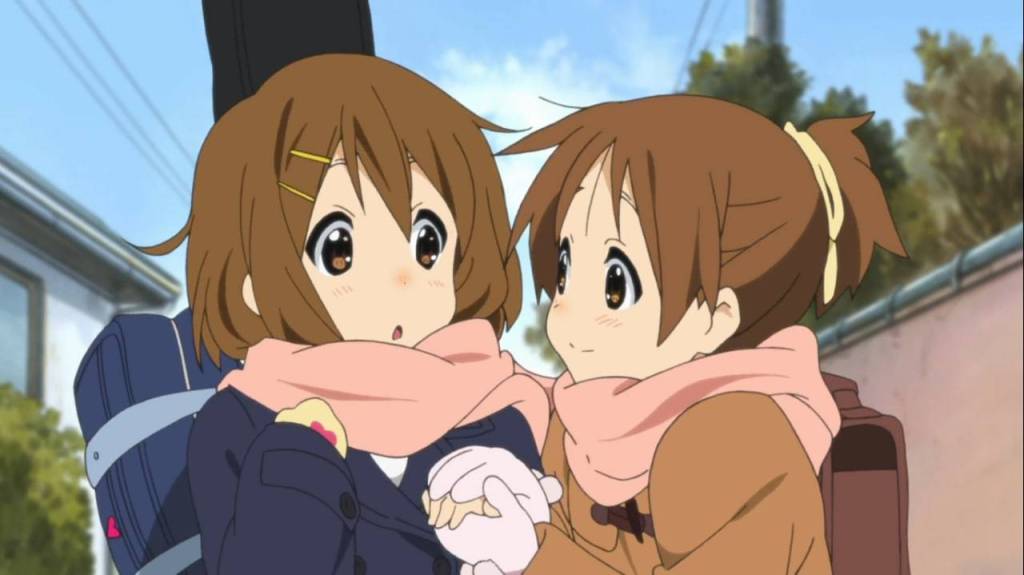
“An important, precious something… Always staying by me… But when I take it for granted, I don’t notice…”
– Yui Hirasawa from K-On!!
Honestly, the song and lyrics are self-explanatory. It’s a “thank-you” song from Yui to her sister Ui. Throughout the entire show, we see Ui providing for Yui as a loving sister. Does Yui deserve it? Is she being too spoiled? Perhaps that’s up to the characters themselves to decide- but that’s what family is all about. Not just family, it’s the people you care about and those who do these things for you despite receiving little in return. It was a long road for Yui to realize all this. To observe the time she has left in high school- spending time recklessly messing around in youth. It’s bittersweet, but that’s why it’s so valuable. And this song embodies everything that Yui feels. No matter how simple the lyrics are, they are packed with the context of love and all that the characters been through.
There is little for me to say because I feel like you’d understand. Set aside your critical frameworks and ideologies- listen to what these people want to communicate with their art. And move on with your life having listened, even if it was just for a moment. That’s what this is all about, right? A moment when you can create a bridge of musical notes and poetry to share an experience that’s typically difficult to express. To share a “thank you” from deep within. K-On is about these moments- where you can set aside embarrassment, professionalism, and whatever holds you back from enjoying your time with friends, family, and all that you care about.
3. Tengen Toppa Gurren Lagann – “Libera Me From Hell”
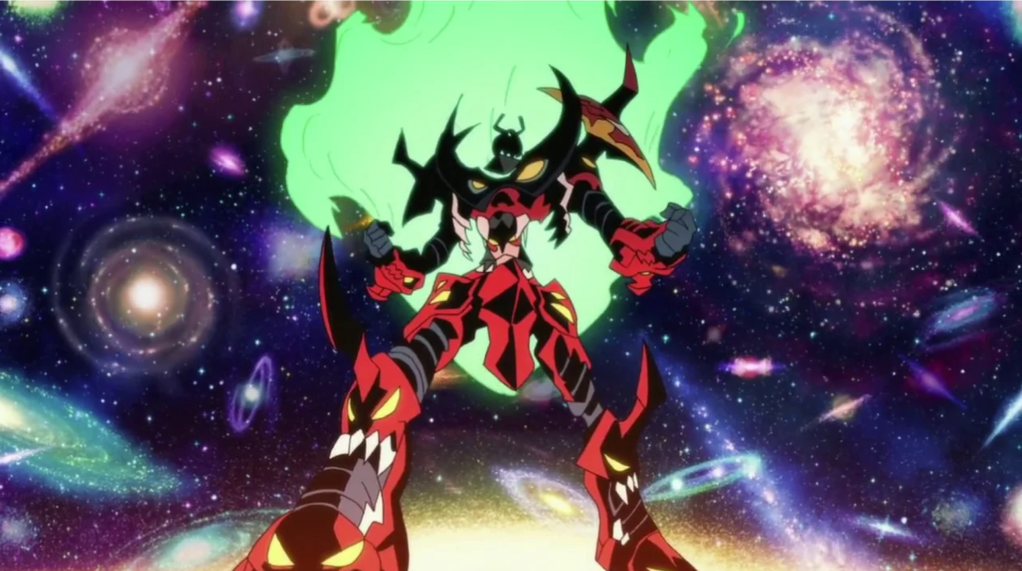
“Mark my words! This drill will open a hole in the universe! And that hole will be a path for those behind us! The dreams of those who’ve fallen! The hopes of those who’ll follow! Those two sets of dreams weave together into a double helix! Drilling a path towards tomorrow! And that’s Tengen Toppa! That’s Gurren Lagann!! My drill is the drill… that creates the heavens!!!”
– Simon from Tengen Toppa Gurren Lagann
Interestingly, I didn’t like this song when I first heard it. Actually, I didn’t even acknowledge that it existed! I was quite surprised when I rediscovered it during my next rewatches (although it took awhile before I liked it)- additionally enlightened about it by various YouTube comments and my friend who also loves it.
Libera Me From Hell is quite a fascinating mix of soprano and rap both representing the dichotomies of ideologies. The soprano singing about the inevitable fall and judgement, and the rap fighting against oppression and submission. In regards to the anime, there are two interpretations; the victory against oppression through the means of overthrowing it, or the collaborative efforts of both the rap and soprano towards a common goal. Ultimately, the conclusion of the show required the death of the oppressive Anti-spirals, yet the lesson wasn’t to eliminate them- but to acknowledge their point of view and use it to further the advancement and preservation of life and the universe. It is to LEARN. However you interpret it, the effort between two ideologies was able progressed the song forward through evolution- represented in the metaphor of battle and debate. It is a song that encompasses the nature of our growth as people, as a species, as life in the universe.
One interesting aspect of the song that I believe to exist is the parallel progression between the song and the anime’s story itself. It’s evident in the lyrics right after the first rap verse: “Good luck fellows”- as if Kamina is saying this to Simon and everyone else on Team DAI-GURREN. And most events in the show fit quite well with the different progressions of the song. Perhaps I’ll go into detail regarding this in the future?
It’s difficult to accurately pin-point this, but the first time I fully acknowledged this song was probably one of the most important moments that determined who I became. The main reason being that it was one of the first times I actively listened and analyzed something that wasn’t immediately pleasurable. In turn, I learned to enjoy it- both aesthetically and analytically. I thought I wouldn’t ever enjoy rap or soprano- but I learned to experience something beyond myself. I learned to become something more: “We evolve beyond the person that we were a minute before. Little by little, we advance a bit further with each turn. That’s how a drill works!” (Simon from Tengen Toppa Gurren Lagann). And from here, there’s more drilling to do! I’m not done!
2. No Game No Life Zero – “Really, I Love You”
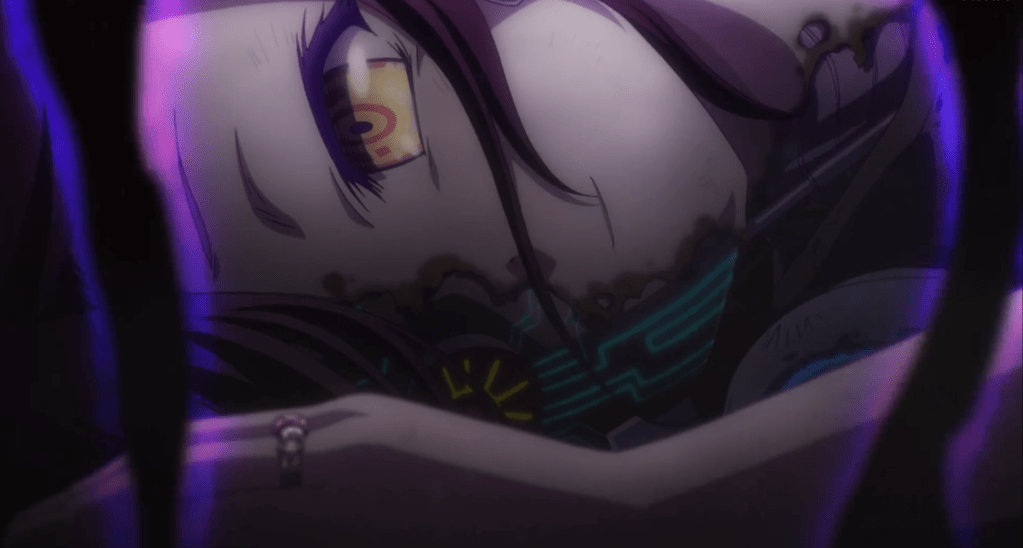
“This feeling, this heart… born into a machine, giving me “life”… All of that… on these 251 seconds… I’ll bet it all!”
– Shuvi Dola from No Game No Life Zero
One of the wonderful aspects that makes No Game No Life Zero’s soundtrack grand is how each OST is connected. This single scene where Jibril confronts Shuvi has multiple soundtracks for the different moments of the fight. The initial meeting where Jibril’s presence overthrows the melody, leaving Shuvi only a moment of hope before the ensemble inevitably shuts her down. But interestingly… Shuvi embodies the cries of the violin throughout (almost) the entire encounter. She previously seemed to only be associated with the piano- which is why associated is a key word. It doesn’t represent her- things change.
At this moment, she is beyond her previous identity of a “scrap” that works within the superorganism of the Ex Machina. After being exiled from her own race, she experiences the life of the peculiar beings of humanity. This experience provides her with insight into the workings of human’s culture- no, she became apart of the human culture herself. She learns the irrational ideas and approaches each individual believes in- fights for. But… what does Shuvi fight for? How could something born as a machine ever learn the valuable emotions that make a human?
Yet she resists, protects, and cries at the mercy of her life. Throughout the encounter with death itself, she embodies the nature of a human to struggle- to survive. Survive because it’ll ruin the plan? No- she wants to survive because she wants to continue experiencing the joy of life. Throughout the song prior to Really, I Love You, the song Following This Feeling plays. Shuvi (the violin) screams in confusion and uncertainty. Should she give up her life, provide her emotions to the entire race of Ex Machina that threw her away… or keep the emotions for herself? What’s wrong with being selfish- these are her emotions. No one can possibly understand or use them like Shuvi- because they are Shuvi’s.
However, the only way to give Riku a chance to save the world from an endless war is to give it up. It’s not fair, right? But it’s necessary for the sake of others. So she fights- not for her own survival, but the survival of those she cares about. And then the ensemble begins in a new perspective- a new chance. She only has 251 seconds before its all over. And as the violin cries, a chanting comes into the song as she builds up the courage and accept her fate. And a silence commences, a deep breath…
*BAMB* is the first thing we hear along with the chanting in the background- the smashing of the drums reminiscent of the song Good Evening Scrap (when Jibril appear), it hits in a rhythm similar to a clock ticking down the last moments of survival. And the chanting, as if the emotions of all the humans that ever lived weighing on this very moment. Suddenly, a soprano comes into the ensemble- as if the powerful emotions of Shuvi conjured up a screaming voice. Accompanying the singing, the violin continues to assist the melody- keeping it loud and breathing.
And just when Shuvi continues to follow her heart and defend her wedding ring, the soprano disappears. The violin cries as the attempts at survival failed. Everything falls as Jibril’s might reins above the “scrap”. But just as Jibril blabbers her mouth and prepares a heavenly smite… Shuvi wins. Here, the piano comes into the melody for the first time. Throughout the song it was hidden- out of sight to avoid detection of intent. Because yes- Shuvi meant to survive, but only until her plan had succeeded. And as she’s vaporized in the most powerful attack in all of Disboard, she smiles. She won the game. Perhaps she couldn’t survive, but because she provided the data of emotion to the Ex Machina, they can help Riku with ending the war.
It isn’t about her- because her identity and being is within everything she had influenced. In accepting her fate and doing all she can before she goes, a new world can be reborn. AND that’s all I’ll say for now… I really gotta hold off on talking about this until I actually do a full analysis. But that’s really what this song embodies. For me, it reminds me of what all this is for. It’s not about me, it’s about us. It’s about everything. For now, all we can do provide each other happiness with the moments we have in this universe as living beings. Hopefully, we can change the rules of the game and avoid becoming complacent with the realities we believe to be rigid.
1. No Game No Life Zero – “Stalemate”

“We are machines, heartless tools; living without a life, leaving for a life.”
– Einzig from No Game No Life Zero
A battle between a ruthless God of pure destruction and the pawns below. Perhaps the collaborative strength of the pawns are no match for a powerful God of War, but what if they use this “God’s” power against him? Trick him to believe that his strength can truly wipe them all out- use his ego against him? At the introduction of Artosh the God of War, his beaming presence sends a loud “bam” similar to Jibril’s when she fought Shuvi. The violin tries to fight its menacing loud presence as it enters in melody, yet continuously gets smothered. But when Artosh believes he’s succeeded- like when Jibril believes she’s truly won against Shuvi… no, the violin still rings beyond their sight. Riku and the humans aren’t alone, the Ex Machina aren’t alone- and Artosh and the Flügel are too stubborn in their negligence to acknowledge this error.
As the song progresses with Artosh’s presence temporarily gone, the violin leads the melody. In a cry of courage, sorrow, acceptance, and denial- the violin influences the other instruments to play along, following the rhythm towards a secret plan. And once the instruments follow the violin’s lead, they all ride towards blasting all their might in the very tone that’d screw them over. Sneaking all around in the ensemble is the violin- influencing just enough to get things moving.
Just as the Elves, Dwarfs, and the Flügels and Artosh sit in confusion- gazing at the enormous flaming ball of death, the ghosts of humans and Ex Machina jump into the lead. The bell rings to signal their presence and charge as the violin guides the melody towards the chanting army of Ex Machina. And as they shift the tides of the battle, we are put into perspective the weight of this event as the main theme plays more faster and repetitively than before. Before long, the last voice of the soprano is heard to signal… it’s not over.
This song represents the battle we constantly pursue in an attempt to change the powerful fate that binds us. The only way forward is together.
Conclusion
You’ve probably noticed how much I described the events of the associated media when talking about the songs. It’s with great importance to do so as the songs themselves aren’t isolated from such external forces. One of the reasons I enjoy anything in the first place is because I can relate a song to a book, or a painting to a butterfly. But that doesn’t mean I don’t love the songs as they are. I am able to open the gates that prevented me from enjoying them because of the associations. And from there, I can learn!
Anyways, that’s my wonky top 10 list! Each song has the potential for an entire blog post themselves- so I’m a bit worried that these brief descriptions of them aren’t enough to express my enjoyment of them. But at least you got a taste of my world. I’d love to learn about yours! Please share them in the comments!


This was a great read dude. I totally agree that our experiences with songs can’t simply be put in a vacuum. Even I, mr “aesthetic,” can’t deny that all those external factors affect my emotional experience with a song, whether consciously or subconsciously. But the cool thing with music is just how differently all of us are affected by its factors. Most of my favorites have a really ambiguous tonal complexity to them, and it’s sometimes hard for me to get the same intensity of emotion with other songs that have amazing uses of metaphor, symbolism, and narrative progression, but don’t quite trigger the same rich tonal ambiguity for me. For you, it might be close to the opposite. Sometimes I wonder how much musical taste is discovered internally vs learned externally, and how much that ratio varies between people. And what factors would even affect that ratio. The whole concept of where likes and dislikes come from in general is super interesting to think about.
LikeLike
Thanks for reading! It’s definitely quite difficult to determine these internal and external factors- so “learning to enjoy” isn’t necessarily purely based on being externally influenced. Perhaps we discover something within ourselves that is both? But that’s why I’d suggest that it might not be the opposite for me- my expression might seem to lean towards the idea of external, but I think I’m still trying to figure it out LOL. And we could consider the “ratio” to be static within the nature-nurture debate, but I’m not necessarily sure. If there’s a baseline somewhere within our tastes that limits our tastes, then I’m still trying to figure it out for myself. However, I still question the idea of a clear ratio- whether its *that* straightforward. But I haven’t really looked into the current discourse on this yet, so idk. It’s great that you seem to have a grasp on the nature of your favourites- perhaps there’s something within mine regarding thematic relevance? But not all of my favourite songs are within the realm of “collaboration” and such, at least not within the top 10 (Houseki no Kuni – “Cinnabar”). I wonder at what point might those other types of songs trigger an emotional intensity for you? Sometimes a relationship with someone who enjoys those types of songs might trigger it? Or a certain experience?
LikeLike
Oh for sure, I don’t think the “ratio” would necessarily be static. The thing probably changes every second, but how much it changes probably also depends on the person. And yeah, I’m also trying to figure out my whole taste thing too, I don’t really know to what extent it can and will change, and where it all comes from. I’ve had amazing experiences with certain shows or movies or theme park rides, but still didn’t end up loving their soundtrack all that much. Still gotta test the relationship theory :p
And yeah I’m also curious about how your tastes will evolve, whether you’ll start to find a common “aesthetic” theme or maybe end up branching out in unexpected directions even more. And even though cinnabar’s track doesn’t directly support collaboration like a lot of your other favorites do, it still kinda feels like it ties back into it by representing elements like her loneliness and lack of collaboration (although I’m super rusty on the show/soundtrack so please correct me if I’m wrong)
LikeLike
Yeah, perhaps “how much” depends on the person. It seems quite wonky from my experience if we consider taste in the metaphor of ratio. The extent it changes for me tends to rely on the somewhat “paradigm shifts” of my ideas, such as exploring a different field of study or viewing something in a less familiar lens. My current academic studies in rhetorical science and metaphor, for example, provided a new perspective for how I perceived poetry and history. It provided a greater “change” than my more relatively internalized evaluation of media through the lens of certain frameworks I’m accustomed to. In regards to “taste”, following this pattern, I believe further exploration of music theory and continuing to learn new instruments will provide me with a clearer aesthetic understanding. Even if I don’t enjoy something immediately, I personally believe it’s not evaluated based on the “nature” of taste- but perhaps the metaphors of evaluation I’ve grown to I abide by or whatever it might be. This is evident is a lot of media I consume- the addition of new perspectives allowed me to enjoy new things. Maybe there’s still an underlining thread of taste? That’d be cool! Or maybe there’s another way of looking at it? I’m excited to find out! Excited to hear what happens with your tastes too!
Houseki no Kuni itself has a lot of themes that may contribute to “collaboration” and similar themes I enjoy- even though Cinnabar herself is quite tragic (people have warned about reading the manga… TEARS). A lot of my enjoyment of the song is aesthetic based, however- along with my appreciation for the erhu. But yeah, I also enjoy it for those other themes LOL
LikeLike